
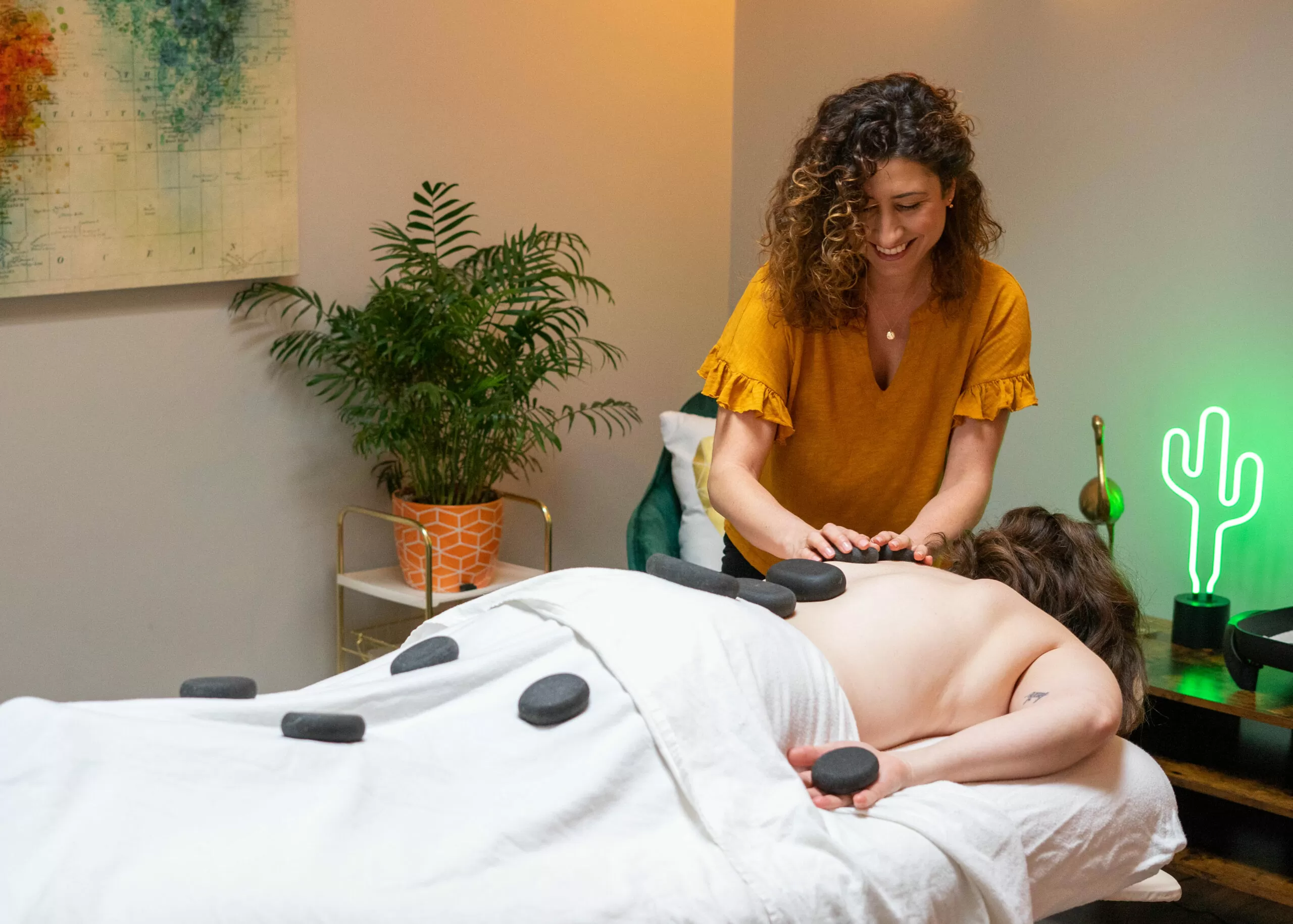
In the hustle and bustle of modern life, finding moments of tranquility and relaxation is essential for maintaining our well-being. One ancient practice that has stood the test of time in providing both physical and mental rejuvenation is Thai massage. Originating in Thailand over 2, 500 years ago, Thai massage combines elements of yoga, acupressure, 방콕물집 and traditional Chinese medicine to create a holistic healing experience. Let’s delve into the intricacies of this ancient art form and discover how it continues to offer profound benefits in today’s fast-paced world.
The Origins of Thai Massage:
Thai massage, also known as Nuad Boran or “ancient massage, ” has its roots in the Indian healing traditions of Ayurveda and yoga. It is believed to have been developed by Jivaka Kumar Bhaccha, a physician to the Buddha, over two millennia ago. Influenced by Indian, Chinese, and Southeast Asian healing practices, Thai massage evolved into a unique therapeutic modality characterized by rhythmic compression, stretching, and passive joint mobilization.
The Principles of Thai Massage:
Central to Thai massage is the concept of energy lines, or “sen, ” which are similar to the meridians in Chinese medicine. Practitioners apply pressure along these sen lines to release blockages and restore the body’s natural flow of energy, known as “lom” or “prana. ” By stimulating specific acupressure points and manipulating the body through gentle stretches and twists, Thai massage aims to promote physical flexibility, mental relaxation, and emotional balance.
The Techniques Involved:
Unlike traditional western massage modalities, which are typically performed on a massage table with oils, Thai massage is conducted fully clothed on a padded mat on the floor. The practitioner uses their hands, thumbs, elbows, knees, and feet to apply pressure and facilitate movement, creating a dynamic and interactive experience between the giver and receiver. Throughout the session, rhythmic rocking motions and deep stretches help to release tension, improve circulation, and enhance the body’s natural healing abilities.
The benefits of Thai Massage:
Thai massage offers a wide range of benefits for both the body and mind. Physically, it can relieve muscular tension, improve joint mobility, and alleviate chronic pain conditions such as back pain and sciatica. Mentally, it induces a deep state of relaxation, reduces stress and anxiety, and promotes mental clarity and emotional well-being. Additionally, Thai massage is believed to stimulate the lymphatic system, boost immunity, and detoxify the body, leaving individuals feeling revitalized and balanced.
Conclusion:
In a world filled with constant demands and distractions, Thai massage provides a sanctuary of serenity and healing. Its ancient techniques offer a timeless remedy for the ailments of modern living, restoring harmony to the body, mind, and spirit. Whether seeking relief from physical discomfort or simply craving a moment of profound relaxation, Thai massage invites us to journey inward, reconnect with ourselves, and experience the profound benefits of holistic healing.