
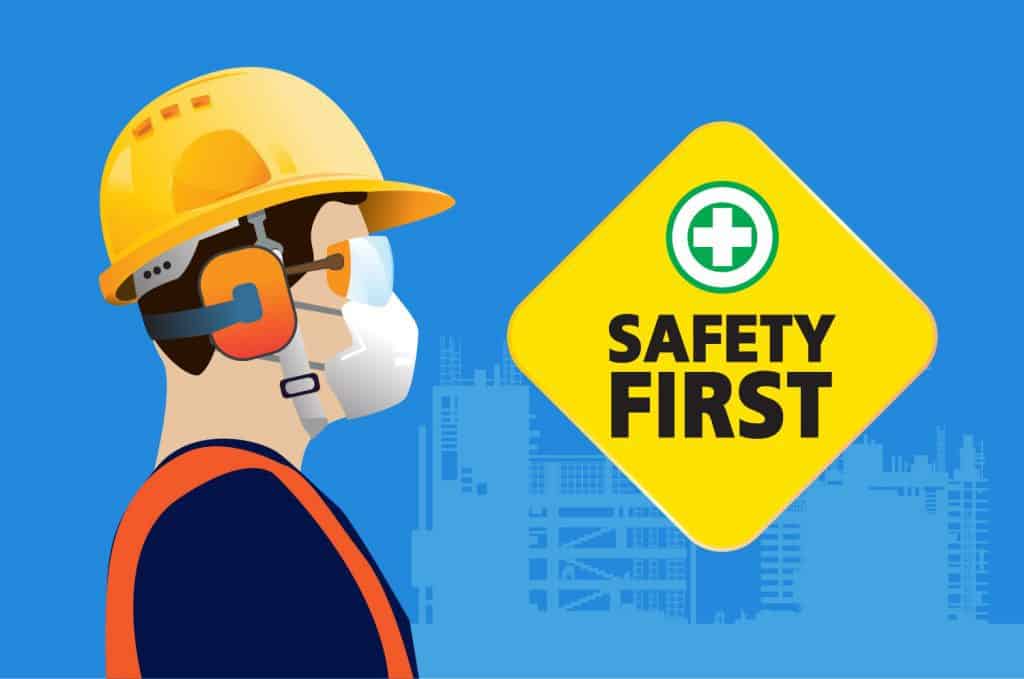
Health and safety in the workplace are crucial for ensuring the well-being of employees and the overall effectiveness of organizations. This area encompasses a variety of practices, policies, and regulations aimed at preventing accidents, injuries, and Health & safety illnesses while creating a safe working environment. The importance of health and safety cannot be overstated, as they protect employees, enhance productivity, boost morale, and reduce costs associated with workplace incidents.
A core element of a successful health and safety program is the identification and assessment of potential hazards. This process requires recognizing risks that could harm employees, such as exposure to hazardous materials, ergonomic challenges, and machinery-related dangers. Regular inspections and risk assessments are essential for identifying these hazards and implementing effective control measures. Employers are responsible for adopting a systematic approach to managing these risks, which may involve eliminating hazards, substituting safer materials, and providing personal protective equipment to ensure employee safety.
Training and education are vital components of health and safety initiatives. Employees must be equipped with the knowledge and skills necessary to recognize hazards and respond effectively in emergencies. Comprehensive training programs should cover various topics, including proper equipment usage, safe work practices, emergency procedures, and the importance of reporting unsafe conditions. Regular training sessions and drills reinforce this knowledge, ensuring that employees remain vigilant about safety protocols. Creating a culture of safety encourages open communication, empowering employees to voice concerns and suggest improvements.
Emergency response plans are another critical aspect of workplace health and safety. Organizations must have clear procedures in place to address various emergencies, including fires, natural disasters, chemical spills, and medical emergencies. An effective emergency response plan outlines the roles and responsibilities of employees, identifies evacuation routes, and establishes communication strategies. Conducting regular drills and simulations ensures that employees are familiar with these procedures and can respond quickly and effectively during real emergencies.
Mental health and well-being have gained increasing recognition as essential components of workplace health and safety. Employers should foster a supportive work environment that addresses mental health issues, such as stress, anxiety, and depression. Providing resources like counseling services and employee assistance programs can significantly contribute to a healthier workforce. Encouraging open discussions about mental health helps reduce stigma and fosters a culture where employees feel comfortable seeking help when needed.
Compliance with legal regulations and standards is also vital in maintaining workplace health and safety. Various governmental bodies, such as the Occupational Safety and Health Administration (OSHA) in the United States, set guidelines that employers must follow to ensure safety. Adhering to these regulations not only helps organizations avoid legal repercussions but also demonstrates a commitment to employee welfare.
In conclusion, health and safety in the workplace are foundational for protecting employees and ensuring the success of organizations. By identifying hazards, providing training, implementing emergency response plans, addressing mental health, and complying with legal standards, organizations can create a safe and healthy work environment. Prioritizing health and safety benefits employees while enhancing productivity, reducing costs, and fostering a positive organizational culture. Investing in health and safety is not just a regulatory obligation; it is a commitment to valuing the well-being of every individual within the organization.