
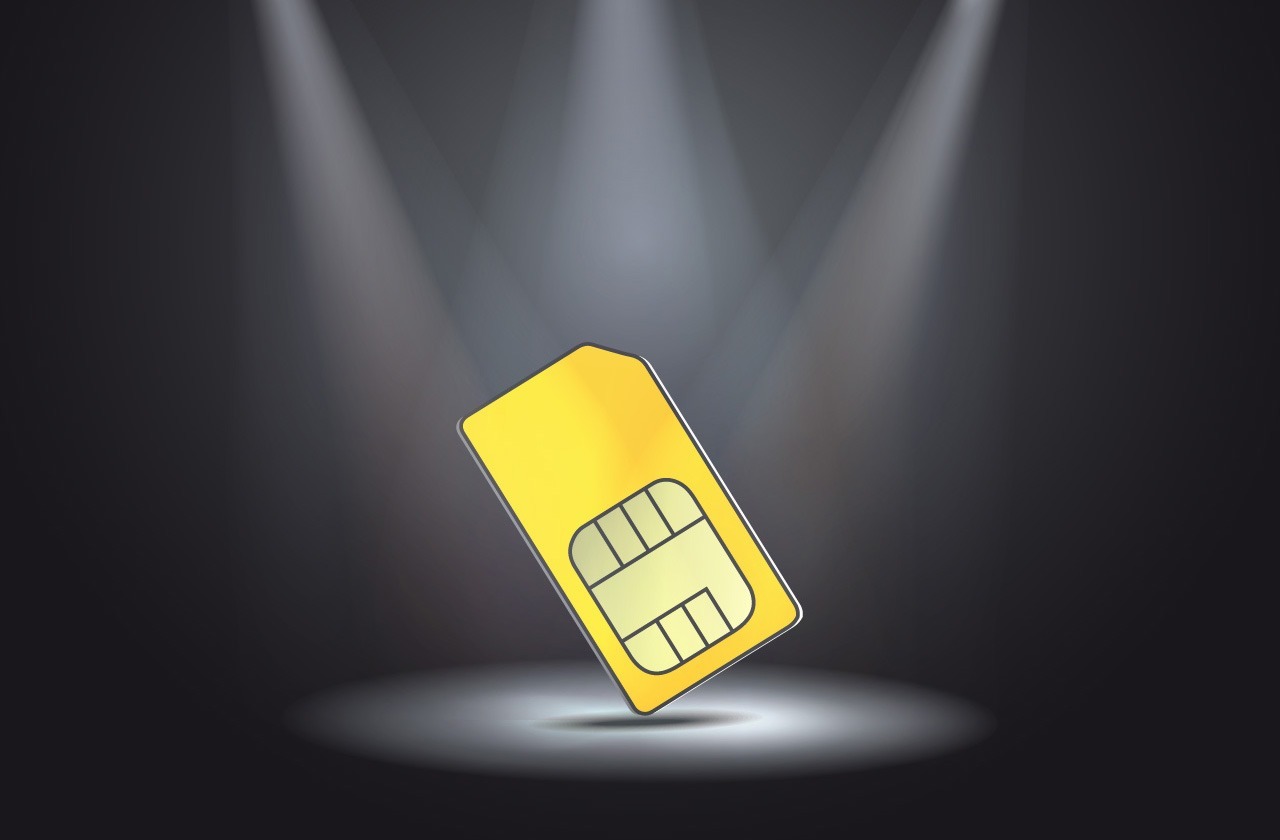
In the ever-expanding world of mobile technology, the SIM card stands as a fundamental component, enabling seamless communication and connectivity across the globe. From its inception to its modern-day iterations, the Subscriber Identity usa esim Module (SIM) has continually evolved, shaping the way we interact with our mobile devices and access digital services.
Evolution and Types of SIM Cards
The journey of the SIM card began in the early 1990s with the introduction of GSM networks, where it served as a key to unlocking the potential of mobile communication. Initially the size of a credit card, SIM cards have undergone significant miniaturization to accommodate the sleek designs of modern smartphones. The standard SIM, mini-SIM, micro-SIM, and nano-SIM represent successive reductions in size while maintaining essential functionality. Today, nano-SIMs are the standard for most mobile devices, fitting into even the slimmest smartphone designs.
Functionality and Key Features
At its core, a SIM card securely stores crucial information such as the International Mobile Subscriber Identity (IMSI), which uniquely identifies a subscriber on a mobile network. It also holds authentication keys and network-specific data, allowing users to access voice, text, and data services seamlessly across different devices.
SIM cards play a pivotal role in ensuring the security and integrity of mobile communications. They use advanced encryption algorithms to protect sensitive data and facilitate secure transactions, such as mobile payments and access to corporate networks. This security layer ensures that personal information remains safeguarded against unauthorized access or fraudulent activities.
Types of SIM Cards
There are two primary types of SIM cards widely used today: traditional SIM cards and embedded SIMs (eSIMs). Traditional SIM cards are physical chips that can be removed and transferred between devices, supporting various form factors. They remain the predominant choice for mobile phones and many IoT devices.
eSIMs, on the other hand, are integrated directly into devices during manufacturing or can be provisioned remotely. This virtual SIM technology eliminates the need for physical SIM cards and offers greater flexibility for consumers, enabling them to switch mobile operators and activate new plans without swapping out a physical card. eSIMs are increasingly popular in devices like smartwatches, tablets, and IoT gadgets, where space constraints or remote management are critical factors.
Practical Applications and Uses
SIM cards are not just about making phone calls and sending text messages; they serve as gateways to a vast array of digital services and applications. Mobile data services, access to the internet, mobile banking, secure authentication for online transactions, and even vehicle tracking systems all rely on the connectivity provided by SIM cards. They enable seamless integration of devices into the broader digital ecosystem, supporting everything from smart homes and connected cars to enterprise solutions and global logistics.
The future of SIM Technology
Looking forward, the evolution of SIM technology is likely to continue toward greater integration and virtualization. As 5G networks expand and the Internet of Things (IoT) proliferates, SIM cards will play an increasingly crucial role in connecting billions of devices worldwide. eSIM technology, in particular, promises to revolutionize how devices are connected, managed, and secured in a highly interconnected digital landscape.
Conclusion
In summary, the SIM card remains a cornerstone of modern mobile communication, enabling users to stay connected, productive, and secure in an increasingly digital world. Its evolution from a simple authentication module to a sophisticated enabler of connectivity reflects the ongoing advancements in mobile technology and the ever-growing demands of consumers and businesses alike. As we embrace the future of connected devices and services, the humble SIM card continues to unlock new possibilities and redefine our expectations for mobile connectivity.