
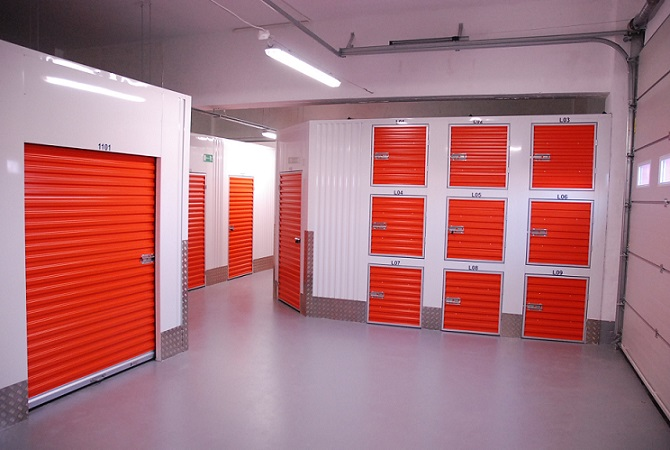
In today’s fast-paced world, space has become a valuable storage commodity. Whether living in a small apartment, moving to a new home, or running a business, people often find themselves short on room to store their belongings. This is where self-storage facilities have become increasingly popular. Self-storage provides individuals and businesses with extra space to keep their items safe and accessible. Over the past few decades, this industry has grown significantly, offering a practical solution for managing clutter, protecting valuable possessions, and adapting to changing lifestyles.
How Self-Storage Offers Convenience and Flexibility
One of the biggest advantages of self-storage is the convenience it provides. Unlike traditional storage options, self-storage units are available in various sizes and can be rented for short or long periods. This flexibility allows customers to choose a storage space that fits their exact needs without paying for unused space. Most facilities offer easy access, sometimes 24/7, so renters can retrieve or add items whenever they want. This makes self-storage ideal for a wide range of situations, from storing seasonal items like holiday decorations to housing belongings during a move or renovation.
Security Measures that Protect Your Belongings
Security is a major concern when entrusting someone else with your personal or business items. Reputable self-storage facilities invest heavily in safety features such as gated access, security cameras, and individual unit locks. Many also have on-site staff or managers who monitor the premises. These measures ensure that customers’ belongings remain protected from theft, vandalism, and environmental damage. Some facilities even offer climate-controlled units to safeguard sensitive items like electronics, documents, or antiques. This combination of accessibility and security makes self-storage a reliable choice for storing important possessions.
The Role of Self-Storage in Life Transitions and Business Operations
Self-storage isn’t just for personal use—it also plays a vital role in various life transitions and business functions. For individuals, self-storage units can be a lifeline during moves, downsizing, or temporary relocations. College students use them to store belongings over summer breaks, and families use them to clear space when renovating their homes. Businesses also benefit from self-storage by using units to store excess inventory, equipment, or archives. This eliminates the need for costly office expansions or warehouse rentals. Overall, self-storage helps people and companies remain organized and adaptable in times of change.
Economic and Environmental Benefits of Self-Storage
Using self-storage can also be cost-effective compared to expanding one’s living or working space. Renting a storage unit typically costs less than moving to a larger home or leasing extra commercial space. The pay-as-you-go rental model means customers only pay for the space and time they actually need. Environmentally, self-storage encourages efficient use of existing space rather than promoting larger, resource-intensive properties. By reducing clutter, people can make better use of their current homes or offices without unnecessary waste. This approach supports more sustainable living and business practices by minimizing the need for extra construction or excessive consumption.
The future of Self-Storage: Technology and Urban Living
The self-storage industry continues to evolve alongside technological advances and changing urban lifestyles. Many modern facilities now offer digital features such as online booking, automated billing, and smartphone-controlled access. Climate-controlled units, enhanced security systems, and even smart monitoring help customers manage their storage more effectively. As cities grow and living spaces shrink, the demand for self-storage is expected to increase. The convenience, security, and flexibility it offers make it a practical solution for many urban dwellers and businesses looking to maximize limited space. With ongoing innovation, self-storage will likely remain an essential service for years to come.