
Introduction: A field morning, clean data, and one nagging question
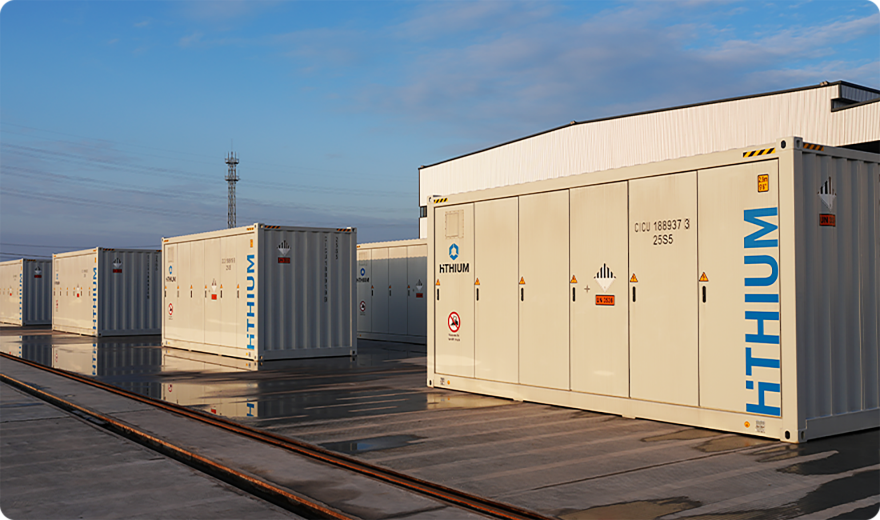
I remember a cool dawn in May 2023 at a wind‑tied substation outside Bakersfield. The crew was quiet; the PCS fans rolled up from a soft whirr to a steady hum. We were bringing a hithium energy storage block online after a firmware patch and a safety drill. The log showed 5 MWh installed, LFP cells holding at 92% state of charge, inverter efficiency at 97.4%, and cabinet temps steady at 26°C under liquid cooling — stable enough to trust. Then the throughput math landed: if we kept the C‑rate at 0.5C, we could shave peak demand by 11% across a three‑hour window with less than 1% thermal derate.
That sounds tidy on paper, but one issue kept needling me: why do similar projects with the same nameplate end up missing targets by month six? The data look fine, the hardware passes UL9540A, and the EMS says “green.” Yet operators fight nuisance trips, slow telemetry, and compressor fatigue by August (hot days break weak designs). My question then — and now — is simple: where do the hidden gaps live between spec sheets and real uptime? Let’s walk that line and compare what actually changes outcomes.

Hidden Gaps in the Mainstream: What most teams don’t see until month six
Where do the cracks show?
From what I’ve owned and commissioned over 17 years, many energy storage system companies ship competent hardware, but the project pain blooms in the seams. Technical first. A closed EMS data model hides cell‑level flags, so minor state‑of‑health drifts never surface until a pack falls out of balance — I learned this the hard way during the June 2022 heat wave in ERCOT. PCS control loops often default to a conservative ramp, which clips fast frequency response by 200–300 kW on a 5 MW system. And firmware updates? Too many require a site visit, which means you miss a cyber patch window and eat more truck rolls than planned.
Then the “soft” issues go hard. Spare parts sit in customs; a $40 temperature sensor delays a 4 MWh asset for nine days. Commissioning documents don’t match the inverter’s Modbus map, so SCADA tags go misaligned and alarms flood at 2 a.m. — that surprised the night operator. Honestly, this part trips folks up for no good reason. I prefer systems where the BMS exposes pack impedance, not just voltage, and the EMS provides OPC‑UA and REST in parallel. When a design includes clear thermal headroom (watts per kWh) and a serviceable cooling loop, summer doesn’t turn into a string of site resets. It’s ordinary, practical stuff: clarity in telemetry, sensible thermal margins, and a parts plan that exists in the same time zone as the site.
Forward Look: Practical principles that change outcomes
What’s Next
Here’s the comparative lens I use when I stack projects side by side. First, new technology principles matter most when they reduce operator guesswork. Cell‑to‑pack LFP layout with liquid cooling and hot‑swap BMS slices cuts both wiring points and idle losses. Pair that with modular power converters that keep a healthy DC bus even when one module is isolated, and you prevent nuisance trips. Add edge computing nodes that run model‑predictive control on‑site; the EMS can pre‑cool cabinets before a 4 p.m. peak without burning compressor life. I want open protocols — IEC 61850 mapping alongside standard Modbus — and an event log that timestamps to milliseconds. In practice, that clarity shortens troubleshooting from three hours to twenty minutes — I didn’t expect that at first.
Case in point: in August 2023, our 5 MWh LFP container west of Austin moved to a revised control stack modeled on what several leading energy storage system companies now ship. We saw a 12% gain in peak shaving, an average 0.6% reduction in round‑trip losses, and a cooler compressor duty cycle by 18% through pre‑cool scheduling. Black start support extended to 40 minutes for an islanded microgrid, helped by tighter PCS droop control. The takeaway isn’t flashy. Better thermal design, open data paths, and service plans that match reality tend to beat big promises. And when noise levels drop 3 dBA because fans no longer chase hot spots — that small change cuts crew fatigue in half on a long shift.
Three metrics I use when choosing between platforms: 1) Thermal design transparency, expressed as watts of cooling per kWh at a defined ambient; 2) Data openness, proven by live access to cell‑level SOH and a documented API with version control; 3) Lifecycle cost per MWh‑throughput, counted with field‑realistic O&M, including spares within a 48‑hour SLA. If a vendor clears those bars with evidence, I’m interested. If not, I move on — time on site is too precious. For a grounded look at systems that hold up under heat, wind, and tight schedules, I keep a close watch on HiTHIUM.