
A swim coach plays a pivotal role in the development o 兒童游水班 f swimmers, guiding them from basic techniques to advanced performance levels. Whether coaching young beginners or competitive athletes, the swim coach acts as a mentor, motivator, and instructor. With a deep understanding of swimming techniques, safety protocols, and psychological support, the coach ensures that each swimmer reaches their full potential. Their presence in the pool is not merely to supervise but to actively shape the physical and mental growth of their students through structured training and personalized feedback.
One of the primary responsibilities of a swim coach is to teach proper techniques and form. Swimming is a complex sport involving multiple strokes, breathing patterns, and body coordination. A skilled coach breaks down these techniques into manageable steps, ensuring that swimmers understand and master each component before moving forward. Whether it’s the intricacies of freestyle, the timing of the breaststroke, or the flip turn during backstroke, coaches emphasize precision and consistency. This focus not only improves performance but also reduces the risk of injuries caused by poor technique.
In addition to physical training, swim coaches instill discipline and structure in their swimmers’ routines. Regular training sessions, punctuality, adherence to instructions, and respect for teammates are all integral to a swimmer’s success. Coaches cultivate these habits early on, encouraging swimmers to take responsibility for their progress. This discipline often extends beyond the pool, influencing a swimmer’s approach to academics and life challenges. The structure provided by a swim coach fosters time management and goal-setting skills, helping athletes stay focused and motivated over the long term.
Swim coaches also play a crucial role in mental conditioning. Swimming, particularly at competitive levels, requires intense concentration, confidence, and resilience. Coaches prepare swimmers to face pressure during competitions, manage anxiety, and recover from setbacks. Through motivational talks, visualization techniques, and positive reinforcement, coaches help build a strong mental framework that supports peak performance. Their encouragement and belief in their athletes can be a powerful force, especially during moments of self-doubt or frustration.
Another significant contribution of a swim coach is the ability to identify and nurture individual potential. Not all swimmers progress at the same pace or possess the same strengths. A good coach recognizes these differences and tailors training plans accordingly. They know when to push an athlete harder and when to ease off to prevent burnout. By paying close attention to each swimmer’s progress, a coach helps unlock talent and inspires a sense of achievement. This personalized guidance is what separates average coaching from exceptional mentorship.
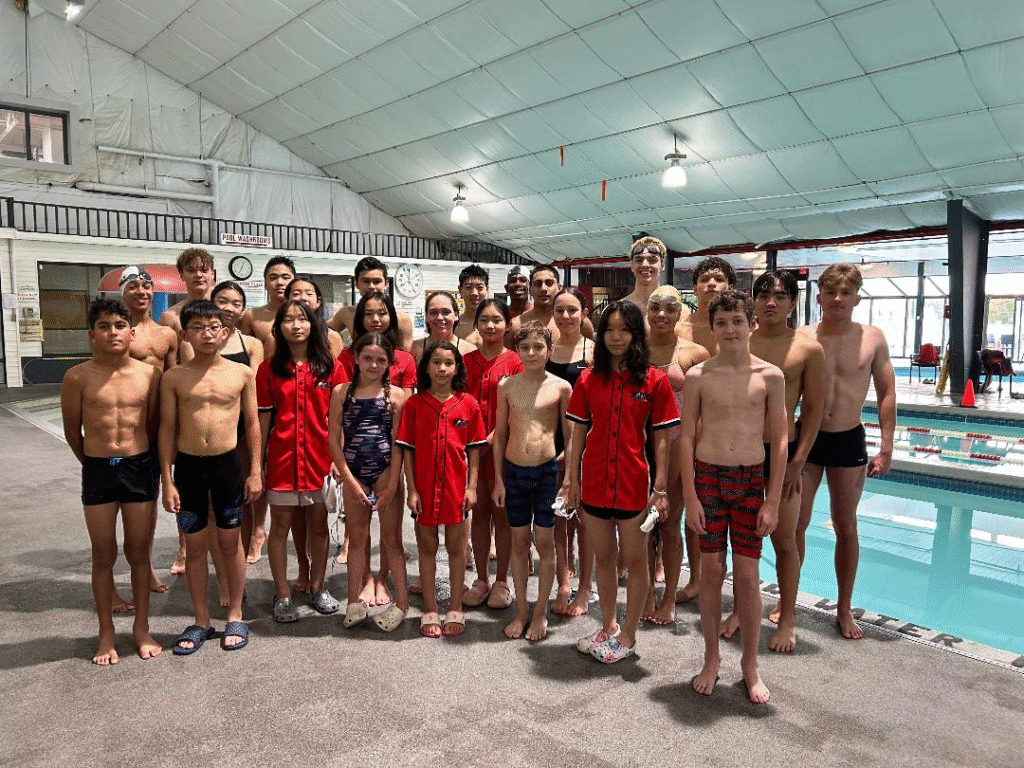
Lastly, swim coaches create a community and culture around swimming that extends beyond individual achievement. They promote teamwork, sportsmanship, and mutual respect among swimmers. In relay events and team competitions, coaches foster unity and collaboration, teaching swimmers to value collective success. The pool becomes a place of belonging, where swimmers build friendships and support one another. This positive environment, guided by the coach’s leadership, contributes to the emotional well-being and long-term engagement of swimmers in the sport.
In summary, a swim coach is much more than an instructor; they are a cornerstone in the development of skilled, disciplined, and mentally strong swimmers. Their influence shapes athletes who are not only proficient in the water but also equipped with valuable life skills. From teaching technique and enforcing discipline to nurturing potential and building community, swim coaches are indispensable to the sport and the personal growth of every swimmer they mentor. Their dedication and expertise leave a lasting impact that goes well beyond the edge of the pool.