
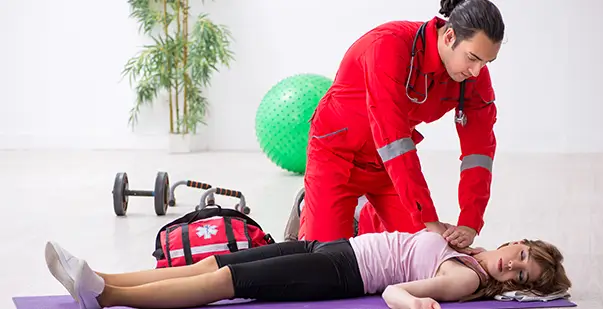
Cardiopulmonary resuscitation (CPR) is an essential emergency procedure used when a person’s heart or breathing has stopped. It is commonly performed during situations like cardiac arrest, near-drowning incidents, or other medical emergencies CPR Instructor Course. The goal of CPR is to keep oxygenated blood flowing to vital organs, particularly the brain and heart, until further medical help can be provided. CPR is composed of two main actions: chest compressions and rescue breaths, both of which are crucial to sustaining life in the absence of normal heart function.
The first step in performing CPR is to assess the scene for safety. Ensuring that the environment is safe for both the rescuer and the victim is paramount before initiating any emergency procedure. Once safety is confirmed, the rescuer should check for responsiveness by tapping the person on the shoulder and shouting to see if they respond. If there is no reaction, the next step is to call for emergency medical services or direct someone nearby to do so. Checking for signs of normal breathing is the next priority. If the person is not breathing or only gasping, CPR should be started immediately.
Chest compressions are the most important component of CPR. They help maintain blood circulation when the heart is no longer functioning. To perform chest compressions, the rescuer should place the heel of one hand in the center of the victim’s chest, just above the sternum, and place the other hand on top, interlacing the fingers. The rescuer should then press down hard and fast, compressing the chest at least two inches for adults. The compression rate should be between 100 and 120 compressions per minute. It’s important to allow the chest to fully recoil after each compression, as this enables the heart to refill with blood and improves circulation.
Rescue breaths are the second key element of CPR, providing oxygen to the victim’s lungs. After 30 chest compressions, the rescuer should deliver two rescue breaths. To do this, they must tilt the victim’s head back slightly to open the airway, pinch the nose closed, and breathe into the person’s mouth until the chest rises. Each breath should last about one second. CPR training emphasizes the importance of checking for chest rise, as it indicates the breaths are effective. If the chest does not rise, the airway may be blocked, and the rescuer should try repositioning the head and giving another breath.
Incorporating the use of an Automated External Defibrillator (AED) can significantly improve the chances of survival for someone in cardiac arrest. AEDs are designed to detect irregular heart rhythms and, if necessary, deliver an electric shock to help restore a normal heartbeat. CPR training often includes instruction on how to use an AED. Once the AED pads are applied to the victim’s chest, the device will provide voice-guided instructions, analyzing the heart rhythm and advising whether a shock is needed. While setting up the AED, chest compressions should continue without interruption to ensure blood flow is maintained.
CPR techniques vary depending on the age of the victim. For infants, chest compressions are performed with two fingers instead of both hands, and the depth of compressions is reduced to about 1. 5 inches. For children, the technique is similar to that for adults, but with adjustments to the force of compressions based on the child’s size. Rescue breaths for infants and children are also delivered more gently, as their lungs require less air than those of an adult. These variations are important aspects of CPR training to ensure the procedure is effective for all age groups.
CPR training is a life-saving skill that can make a critical difference in emergency situations. By mastering the correct techniques for chest compressions, rescue breaths, and AED usage, individuals are better prepared to respond to cardiac arrest and other life-threatening emergencies. Regular practice and refreshers in CPR techniques help maintain confidence and ensure readiness when every second counts.