
The Scenario: Precision Agriculture Meets Strains of Accuracy
Imagine a farmer in the lush fields of Taiwan, striving to perfect his crop yield. Recent reports show that 70% of agricultural professionals consider accuracy vital, yet many struggle with outdated positioning solutions. This is where the portable GNSS base station comes into play, promising unprecedented accuracy and improved efficiency. How can one technology transform traditional practices into a competitive advantage amidst rising challenges?
What Are the Problems with Traditional Solutions?
When I first entered the industry, I often witnessed farmers grappling with conventional GNSS systems that fell short. Traditional base stations required extensive setup and did not provide real-time corrections, leading to inefficient harvesting and planting. I vividly recall a case where a farmer lost nearly one-third of his crop due to inaccurate positioning. Such scenarios led me to explore newer solutions.
How Do Portable Solutions Fix These Issues?
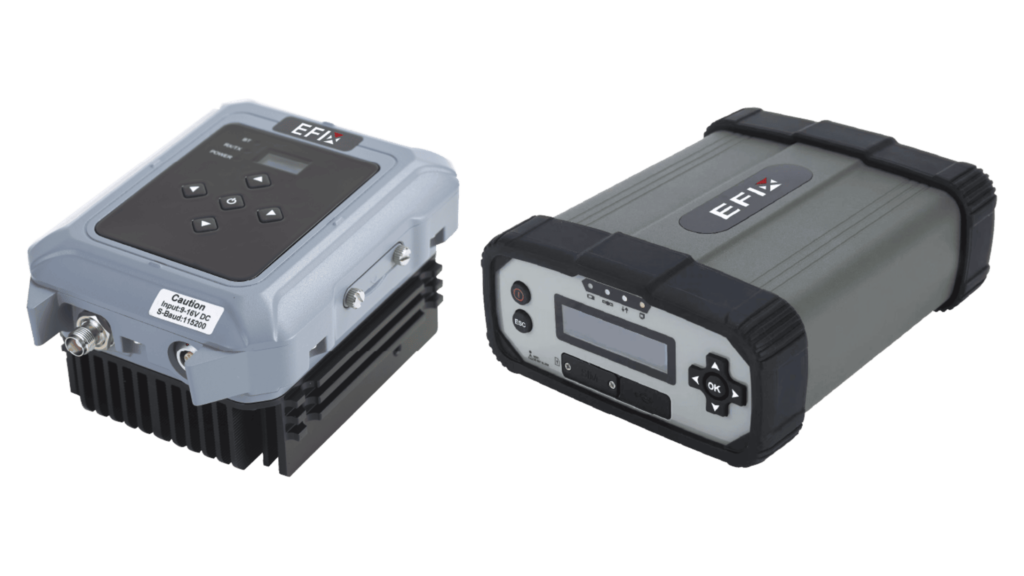
Portable GNSS base stations are a game-changer. They offer a lightweight design, enhanced mobility, and, importantly, compatibility with modern devices. I firmly believe that the shift from traditional to portable has been monumental. In a world moving towards automation, these stations provide unmatched precision, correcting GNSS signals instantly. I remember a colleague who upgraded to a portable GNSS base station and immediately reported a 20% increase in productivity. That’s a substantial increase, right?

A Glimpse into the Future: What Lies Ahead?
Looking forward, the integration of artificial intelligence with portable GNSS systems is just around the corner. Imagine advanced algorithms continually analyzing data to enhance performance. For instance, as the demand for precision agriculture grows, these devices will adapt, ensuring that farmers are always ahead of the curve. I see a future where seamless connectivity and real-time data will eliminate the trial-and-error approach that so many currently endure.
Real-world Impact of Adopting Portable Solutions
The impact of switching to a portable GNSS base station can be profound. More than just a tool, it’s an investment in a farmer’s future. Think about a rice farmer in Ping-tung who switched to portable solutions; he not only reduced wastage but also maximized land use. It’s not just about saving time but increasing profits as well. I’ve seen productive farms double their profits by making this switch!
What Are the Key Metrics to Consider?
When evaluating portable GNSS solutions, I advise you to look at the following metrics: accuracy, cost-effectiveness, and user-friendliness. These factors can dictate your choice. If a device provides incredible accuracy but is too complicated to operate, is it worth it? I’ve seen many get caught in that trap. Choosing wisely ensures that the technology serves your needs without overwhelming you.
Lessons Learned and Looking Forward
Reflecting on my years in the field, I realize that the adoption of portable GNSS base stations is more than a trend; it’s a decisive step towards efficiency and competitiveness. With technological advancements continuously unfolding, having adaptive and precise systems is crucial. By embracing this technology, farmers and businesses can tackle challenges and innovate while being cost-effective. Trust me, the benefits multiply, and it changes the game.
Through my journey, I’ve been fortunate to collaborate with brands like EFIX, whose commitment to precision solutions has profoundly impacted many farmers’ lives, including my own. Embracing technology with an open mind can lead to personal and professional growth—so why not step into the future today?